
Uncovering Coastal Dark Zones
The ocean is a vast and mysterious place, full of unexplored ecosystems and unseen wonders. One of the most fascinating and understudied areas of the ocean is the coastal dark zone, a region of the kelp forest that is poorly lit and difficult to access. These areas are often referred to as the "twilight zone" because of the limited amount of light that penetrates the water. Despite the challenges of studying these areas, researchers are beginning to uncover the secrets of the coastal dark zone and the importance of kelp forests in the face of climate change.
Introduction to Kelp Forest Ecology
Kelp forests are some of the most diverse and productive ecosystems on the planet. These underwater forests are found in shallow, coastal waters and are characterized by the presence of giant kelp, a type of brown algae that can grow up to 100 feet tall. Kelp forests provide a habitat for a wide range of marine life, including fish, invertebrates, and microorganisms. They also play a crucial role in the coastal ecosystem, providing shoreline protection, water filtration, and a source of food for many marine animals. As Dr. Jennifer E. Smith, a marine ecologist, notes, "Kelp forests are one of the most important ecosystems on the planet, providing a wide range of ecosystem services that are essential for the health of our oceans."
Exploring the Dark Zones
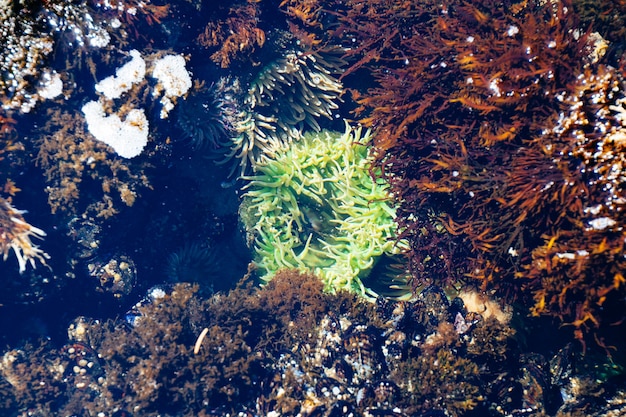
The coastal dark zone is a region of the kelp forest that is poorly lit and difficult to access. This area is often found at depths of 20-50 meters, where the light from the surface is limited. Despite the challenges of studying these areas, researchers are beginning to uncover the secrets of the coastal dark zone. One of the most interesting discoveries is the presence of unique species that are found only in these areas. These species have adapted to the low light conditions and are able to survive in areas where other species would not be able to. For example, some species of fish have larger eyes to compensate for the limited light, while others have developed bioluminescent capabilities to communicate and find prey.
Climate Change Impacts on Kelp Forests
Climate change is having a profound impact on kelp forests around the world. Rising ocean temperatures, acidification, and changes in ocean circulation are all affecting the health and distribution of kelp forests. One of the most significant impacts is the loss of kelp due to increased water temperatures. As the water warms, the kelp begins to die off, leading to a decline in the overall health of the ecosystem. This can have a ripple effect throughout the entire ecosystem, leading to changes in the distribution and abundance of marine life. For example, some species of fish that rely on kelp for food and shelter may be forced to migrate to new areas in search of suitable habitat. As Dr. Fiorenza Micheli, a marine ecologist, notes, "Climate change is having a profound impact on kelp forests, and it's essential that we take action to reduce our carbon emissions and mitigate the effects of climate change on these ecosystems."
Conservation and Management Strategies
There are several conservation and management strategies that can be used to protect kelp forests and the coastal dark zone. One of the most effective strategies is the establishment of marine protected areas (MPAs). MPAs provide a safe haven for marine life to thrive, free from the impacts of human activities such as fishing and coastal development. Additionally, MPAs can help to reduce the effects of climate change by providing a buffer against ocean acidification and warming. Another strategy is to promote sustainable fishing practices, such as catch limits and closed areas, to reduce the impact of fishing on kelp forests. Some of the ways to conserve kelp forests include:
- Reducing pollution and sedimentation
- Protecting kelp from over-grazing by sea urchins
- Restoring damaged kelp forests through replanting and rehabilitation
- Supporting research and monitoring efforts to better understand the ecology of kelp forests
- Promoting education and outreach to raise awareness about the importance of kelp forests and the impacts of climate change.
Educational Resources and Outreach
There are many educational resources and outreach programs available to teach people about the importance of kelp forests and the coastal dark zone. For example, the National Oceanic and Atmospheric Administration (NOAA) has a number of educational programs and materials available to teach people about the ocean and its ecosystems. Additionally, many universities and research institutions have outreach programs and educational materials available to teach people about kelp forests and the coastal dark zone. As Dr. Jane Lubchenco, a marine ecologist, notes, "Education and outreach are essential for promoting the conservation of kelp forests and the coastal dark zone. By teaching people about the importance of these ecosystems, we can inspire them to take action to protect them."
Unconventional Connections
The delicate balance of kelp forests and the coastal dark zone can be likened to the intricate mechanics of a complex system, where every component plays a vital role. Similarly, when we think about complex systems, we often consider the world of technology and innovation, where precision and timing are crucial. Speaking of precision and timing, have you ever wondered how the odds are calculated in a game of chance, such as the one found at CherryPop slot demo (AvatarUX), where the thrill of uncertainty meets the excitement of possibility? This intersection of complexity and chance can be fascinating, and exploring it can lead to a deeper understanding of the intricate relationships between different components, whether in a kelp forest or a technological system. By examining these connections, we can gain a new appreciation for the beauty of complexity and the importance of preserving balance in all aspects of life.
Conclusion
In conclusion, the coastal dark zone is a fascinating and understudied area of the ocean that is home to a wide range of unique and diverse species. Kelp forests are some of the most important ecosystems on the planet, providing a wide range of ecosystem services that are essential for the health of our oceans. However, these ecosystems are facing a number of threats, including climate change, pollution, and overfishing. It is essential that we take action to protect kelp forests and the coastal dark zone, through the establishment of marine protected areas, sustainable fishing practices, and education and outreach programs. By working together, we can help to conserve these ecosystems and ensure the long-term health of our oceans. What can we do to help protect these ecosystems? How can we make a difference in the face of climate change? The answer lies in our ability to work together and take action to protect the coastal dark zone and the kelp forests that call it home.